Choosing the right siding for your house is the single most effective way to boost curb appeal, cut energy bills, and protect the structure from weather‑related wear. By evaluating climate, budget, and maintenance preferences, homeowners can pinpoint a material that delivers durability without sacrificing style, and the best results come from a clear, data‑driven decision‑making process.
Why Siding Matters: The Core Benefits
Exterior cladding serves as the first line of defense against moisture, wind, and UV radiation. Modern siding options also act as thermal barriers, reducing heat loss in winter and heat gain in summer. According to the U.S. Department of Energy’s 2025 Energy Efficiency Report, homes with high‑performance siding can see up to a 12% reduction in heating and cooling costs.
Popular Siding Materials in 2026
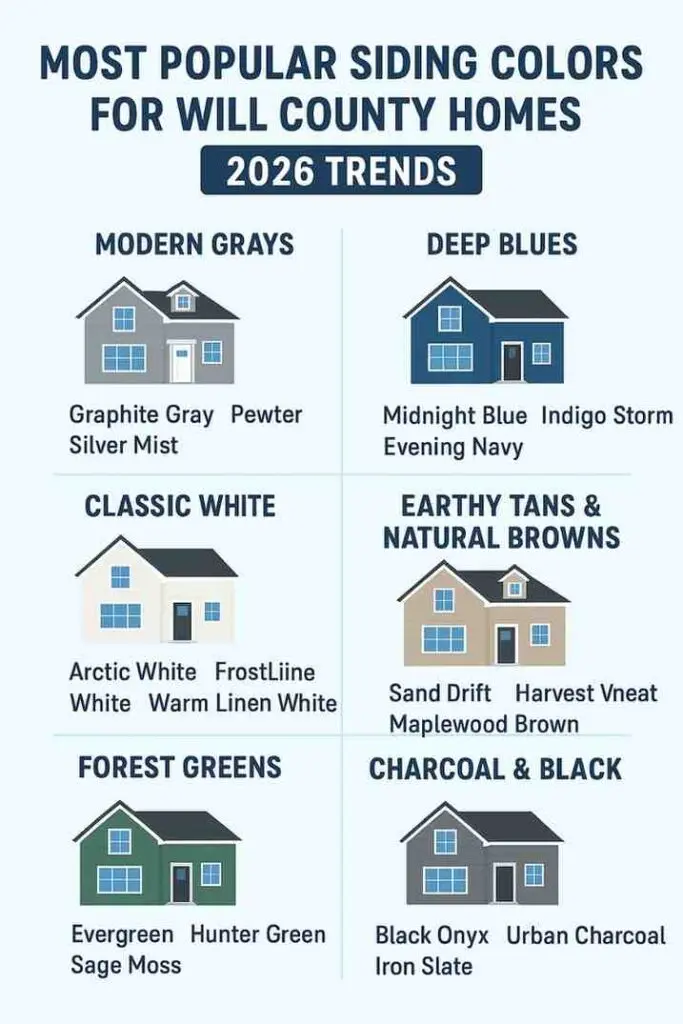
Below is a snapshot of the most common, energy‑efficient siding types available today, each with distinct pros and cons.
Table of Contents
- Why Siding Matters: The Core Benefits
- Popular Siding Materials in 2026
- Vinyl Siding
- Fiber Cement (e.g., James Hardie)
- Stone Veneer
- Engineered Wood
- Metal Siding
- How to Choose the Right Siding for Your House
- Installation Essentials: What Professionals Do Differently
- Cost Breakdown and Return on Investment
- Common Mistakes Homeowners Make (And How to Avoid Them)
- Case Study: A Mid‑Century Modern Home in Austin, TX
- Frequently Asked Questions (FAQ)
- What is the best siding for a house in a high‑humidity climate?
- Can I install siding myself, or should I hire a professional?
- How does siding affect a home’s energy efficiency?
- Is stone veneer more expensive than real stone?
- How often should I repaint or reseal my siding?
- Future Trends: What to Expect in Siding Technology
- Final Takeaway
Vinyl Siding
Vinyl remains the market leader due to its low cost, wide color palette, and resistance to rot. The Vinyl Siding 2026: Complete Guide to Choosing, Installing & Maintaining Energy‑Efficient Exterior Cladding article details how modern formulations include UV inhibitors that preserve color for over a decade. However, vinyl can be vulnerable to impact damage in hail‑prone regions.
Fiber Cement (e.g., James Hardie)
Fiber cement combines cement, sand, and cellulose fibers, offering a blend of durability and fire resistance. James Hardie’s proprietary technology, highlighted in the James Hardie Siding 2026: The Ultimate Guide to Durable, Energy‑Efficient Home Exteriors, provides a warranty of up to 30 years when properly maintained. Its heavier weight requires professional installation, but the payoff is a siding that can mimic wood, stucco, or stone without the associated upkeep.
Stone Veneer
For homeowners seeking a premium look, stone veneer delivers natural aesthetics with a lighter footprint than full‑depth stone. The 2026 guide on stone veneer (Stone Veneer 2026: The Ultimate Guide to Durable, Energy‑Efficient Exterior Cladding) notes that engineered stone panels can achieve R‑values of 0.8–1.0 per inch, contributing modestly to overall wall insulation.
Engineered Wood
Engineered wood siding offers the warmth of timber with enhanced moisture resistance thanks to a proprietary bonding process. While not as fire‑resistant as fiber cement, it scores high on sustainability—most products contain at least 50% recycled wood fibers, according to the Forest Stewardship Council 2025 audit.
Metal Siding
Aluminum and steel panels are prized for their longevity (often exceeding 50 years) and recyclability. Advanced coating technologies now provide rust‑proof finishes that retain their sheen under harsh sun exposure. The downside is higher upfront cost and potential noise transmission, which can be mitigated with proper sub‑wall insulation.
How to Choose the Right Siding for Your House
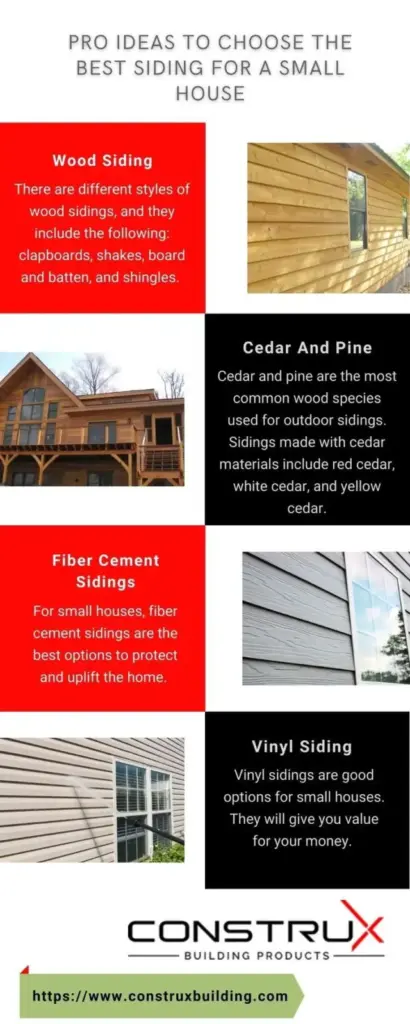
Choosing siding isn’t just about aesthetics; it’s a strategic home‑improvement decision that impacts energy consumption, resale value, and long‑term maintenance. Follow these five steps for a systematic selection process.
- Assess Climate and Weather Exposure. Coastal areas benefit from fiber cement or metal due to salt‑air corrosion resistance, while inland regions with extreme temperature swings often prioritize high‑R‑value options such as insulated vinyl or stone veneer.
- Set a Realistic Budget. Vinyl typically ranges from $2–$5 per square foot installed, whereas stone veneer can climb to $15–$30 per square foot, including labor.
- Consider Energy‑Efficiency Goals. Look for products with an ENERGY STAR rating or built‑in insulation. Insulated vinyl and fiber cement with a foam core can reduce overall wall R‑value by 0.5–1.5.
- Evaluate Maintenance Capacity. If you lack time for annual painting, opt for low‑maintenance materials like fiber cement or pre‑finished metal.
- Match Architectural Style. Traditional colonial homes often pair well with clapboard vinyl or engineered wood, while modern minimalist designs may benefit from sleek metal or stone veneer panels.
Installation Essentials: What Professionals Do Differently
Even the best material can underperform if installed incorrectly. Below is a concise checklist that contractors follow to guarantee a weather‑tight envelope.
- Moisture Barrier Placement. A 15‑mil polyethylene vapor barrier should be installed over the sheathing before siding goes up, especially in humid climates (EPA 2025 guidelines).
- Proper Flashing. All windows, doors, and roof penetrations need aluminum or stainless‑steel flashing to direct water away from the wall assembly.
- Expansion Gaps. Materials like vinyl expand up to 0.5% with temperature changes; manufacturers recommend a 1/8‑inch gap at corners and seams.
- Secure Fastening. Use corrosion‑resistant nails or screws at the spacing specified by the siding producer—typically 16 inches on center for vinyl and 12 inches for fiber cement.
- Seam Sealing. Apply high‑quality, UV‑stable caulk to all butt joints and corners to prevent air infiltration.
Cost Breakdown and Return on Investment
Understanding the financial landscape helps homeowners justify their investment. Below is a 2026 cost comparison, based on data from the National Association of Home Builders (NAHB) 2025 market survey.
| Material | Installed Cost (per sq ft) | Typical Lifespan | Average ROI* |
|---|---|---|---|
| Vinyl (non‑insulated) | $3–$5 | 20–30 years | 73% |
| Insulated Vinyl | $5–$8 | 20–30 years | 78% |
| Fiber Cement (James Hardie) | $7–$12 | 30–50 years | 84% |
| Stone Veneer | $15–$30 | 40–60 years | 89% |
| Metal (Aluminum) | $10–$14 | 50+ years | 81% |
*ROI reflects the average increase in home resale value according to NAHB’s 2025 Home Resale Study.
Common Mistakes Homeowners Make (And How to Avoid Them)
Even seasoned DIYers can fall into traps that compromise durability.
- Skipping the Vapor Barrier. Moisture trapped behind siding leads to mold, rot, and structural decay. Always install a barrier unless the wall system already includes a breathable membrane.
- Improper Paint Selection. Using interior paint on exterior wood siding can peel within months. Choose a high‑quality exterior acrylic paint with UV inhibitors.
- Neglecting Trim Compatibility. Mismatched trim material (e.g., wood trim with metal siding) can cause differential expansion, resulting in cracks.
- Overlooking Local Building Codes. Some jurisdictions require fire‑rated siding in wildfire‑prone zones. Verify compliance before purchasing.
Case Study: A Mid‑Century Modern Home in Austin, TX
Homeowner Maya wanted a sleek, low‑maintenance façade that would also lower her HVAC bills. After consulting a local contractor, she chose insulated vinyl with a cool‑tone gray finish, paired with fiber‑capped windows and a steel entry door. The door selection was guided by the Top 10 Expert Tips for Choosing Durable, Energy‑Efficient Exterior Doors in 2026, ensuring a consistent thermal envelope.
Post‑installation energy monitoring, conducted by the Austin Energy Utility in 2026, showed a 10.5% reduction in cooling load during peak summer months. The project cost $9,200 for 1,500 sq ft of siding, well within Maya’s $10,000 budget, and the contractor’s warranty covered both material defects and installation errors for 15 years.
Frequently Asked Questions (FAQ)
What is the best siding for a house in a high‑humidity climate?
Fiber cement or insulated vinyl with a moisture‑resistant barrier are top choices. Both materials resist warping and mold growth, while metal siding can be used if proper coating is applied.
Can I install siding myself, or should I hire a professional?
DIY installation is feasible for vinyl or engineered wood if you have prior carpentry experience. However, materials like stone veneer, fiber cement, or metal require specialized tools and knowledge of flashing techniques, making a licensed contractor the safer option.
How does siding affect a home’s energy efficiency?
Siding with built‑in insulation or an exterior foam layer adds to the overall wall R‑value, reducing heat transfer. According to the 2025 International Energy Agency (IEA), retrofitting homes with high‑performance siding can cut heating and cooling energy use by up to 15%.
Is stone veneer more expensive than real stone?
Yes, but it offers a cost‑effective alternative. Engineered stone veneer typically costs 30–50% less than full‑depth natural stone while delivering comparable visual impact and lighter structural load.
How often should I repaint or reseal my siding?
Vinyl generally does not require repainting; however, wood or engineered wood should be repainted every 5–7 years. Resealing of joints and caulking is recommended every 2–3 years to maintain airtightness.
Future Trends: What to Expect in Siding Technology
Looking ahead, 2026 sees three emerging innovations reshaping exterior cladding:
- Smart Siding. Integrated sensors can monitor moisture intrusion, temperature differentials, and even structural strain, sending alerts to homeowners’ smartphones.
- Recyclable Composite Panels. New bio‑based composites combine agricultural waste with polymer binders, delivering a carbon‑negative footprint.
- Photovoltaic Siding. Thin‑film solar cells embedded in metal panels allow homes to generate electricity without compromising aesthetics.
While these technologies are still in early adoption phases, they signal a shift toward more sustainable, data‑driven building envelopes.
Final Takeaway
Choosing the right siding for your house is a multidimensional decision that blends climate science, budgeting, design taste, and long‑term maintenance planning. By leveraging up‑to‑date performance data, respecting installation best practices, and aligning material choice with your home’s architectural language, you can secure an exterior that not only looks great today but also protects your investment for decades.
Ready to start your siding project? Explore detailed guides on specific materials—such as Vinyl Siding 2026—or consult a certified contractor to assess your home’s unique needs.
For a broader overview of siding types and their historical development, see the Wikipedia entry on siding.