Homeowners searching for “vinyl siding” are usually looking for a durable, low‑maintenance exterior cladding that also boosts energy efficiency without breaking the budget. Vinyl siding delivers a weather‑resistant barrier, reduces heating‑and‑cooling costs, and can be installed in a single weekend, making it the go‑to solution for modern remodels. For a broader view on resilient exterior systems, see our James Hardie siding guide for 2026, which compares fiber‑cement and vinyl performance side by side.
What Is Vinyl Siding and Why Is It So Popular?
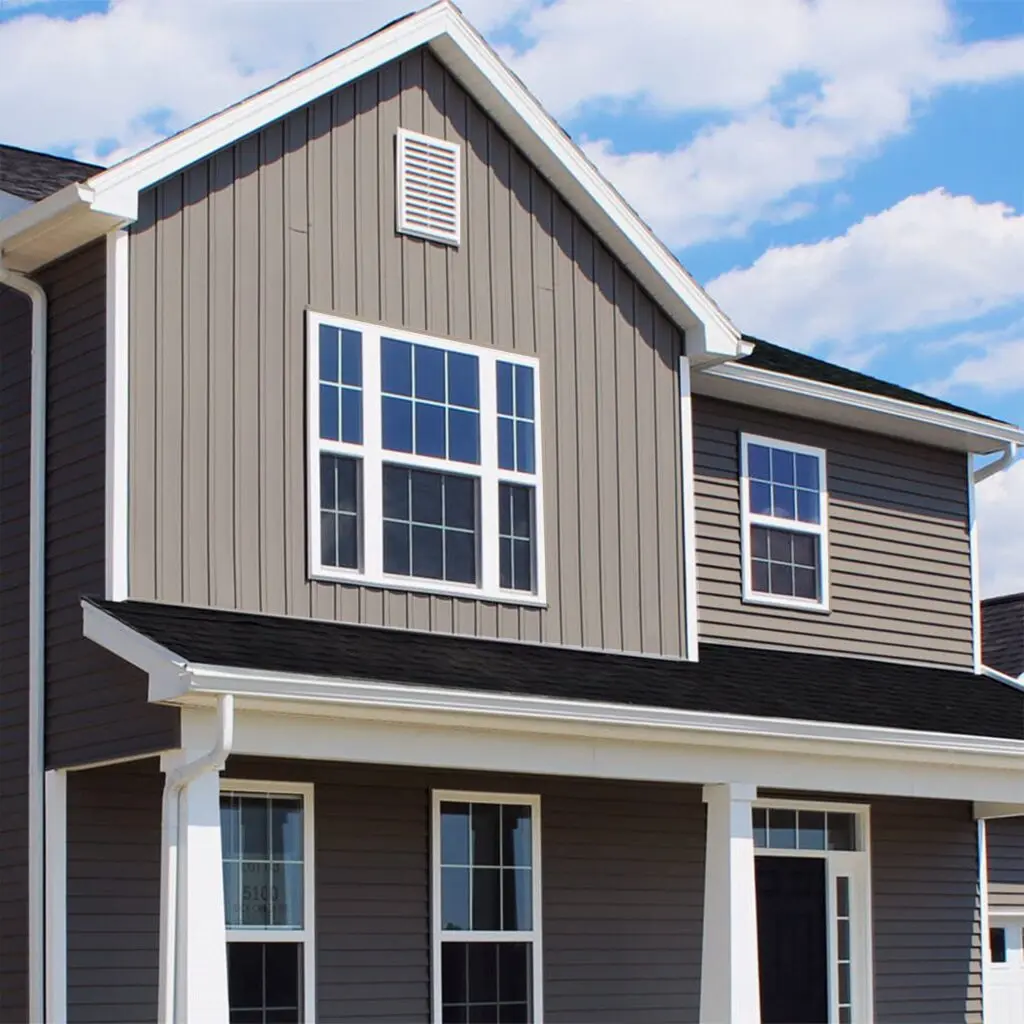
Vinyl siding is a synthetic polymer panel—typically polyvinyl chloride (PVC)—designed to wrap the exterior of a house. Since its commercial debut in the 1960s, the product has evolved from thin, flat sheets to engineered, insulated panels that mimic the look of wood, brick, or stone. The 2025 U.S. Home Builders Association (UHBA) market analysis reports that vinyl siding now accounts for 45 % of all residential exterior cladding in the United States, a share that has grown steadily due to its affordability and ease of installation.
Key Benefits of Vinyl Siding in 2026
1. Weather‑Resistant Siding That Withstands the Elements
Modern vinyl incorporates UV‑stabilizers and impact‑resistant additives that help the material retain its color and structural integrity for decades. According to a 2026 study by the National Association of Home Builders (NAHB), homes with vinyl siding experience 30 % fewer moisture‑related repairs compared with those using traditional wood lap siding.
Table of Contents
- What Is Vinyl Siding and Why Is It So Popular?
- Key Benefits of Vinyl Siding in 2026
- 1. Weather‑Resistant Siding That Withstands the Elements
- 2. Energy‑Efficient Exterior
- 3. Low‑Maintenance Solution
- 4. Design Flexibility and Aesthetic Appeal
- How to Choose the Right Vinyl Siding for Your Home
- Installation: Practical Steps for a Flawless Finish
- Step 1 – Prepare the Substrate
- Step 2 – Measure and Cut Precisely
- Step 3 – Apply Starter Strips
- Step 4 – Lock Panels Together
- Step 5 – Seal Joints and Trim
- Common Mistakes and How to Avoid Them
- Maintenance Routine to Extend Lifespan
- Cost Comparison: Vinyl vs. Competing Materials
- Real‑World Case Study
- Frequently Asked Questions
- Is vinyl siding fire‑resistant?
- Can vinyl siding be painted?
- How does vinyl siding affect home resale value?
- What is the environmental impact of vinyl siding?
- Do I need to replace flashing when installing new siding?
- Integrating Vinyl Siding with Other Exterior Elements
- Conclusion: Is Vinyl Siding Right for You?
2. Energy‑Efficient Exterior
Insulated vinyl siding—often referred to as “rigid foam sheathing”—adds a continuous layer of R‑value to the home envelope. Energy Star data released in 2026 shows that insulated vinyl can reduce heating bills by up to 12 % in colder climates, rivaling the performance of more expensive fiber‑cement options.
3. Low‑Maintenance Solution
Unlike wood, vinyl does not require painting, staining, or regular sealing. A simple hose-down once or twice a year removes most dirt and pollen, and any minor scratches can be repaired with a color‑matched filler. This low‑maintenance nature translates into lower long‑term costs and less homeowner hassle.
4. Design Flexibility and Aesthetic Appeal
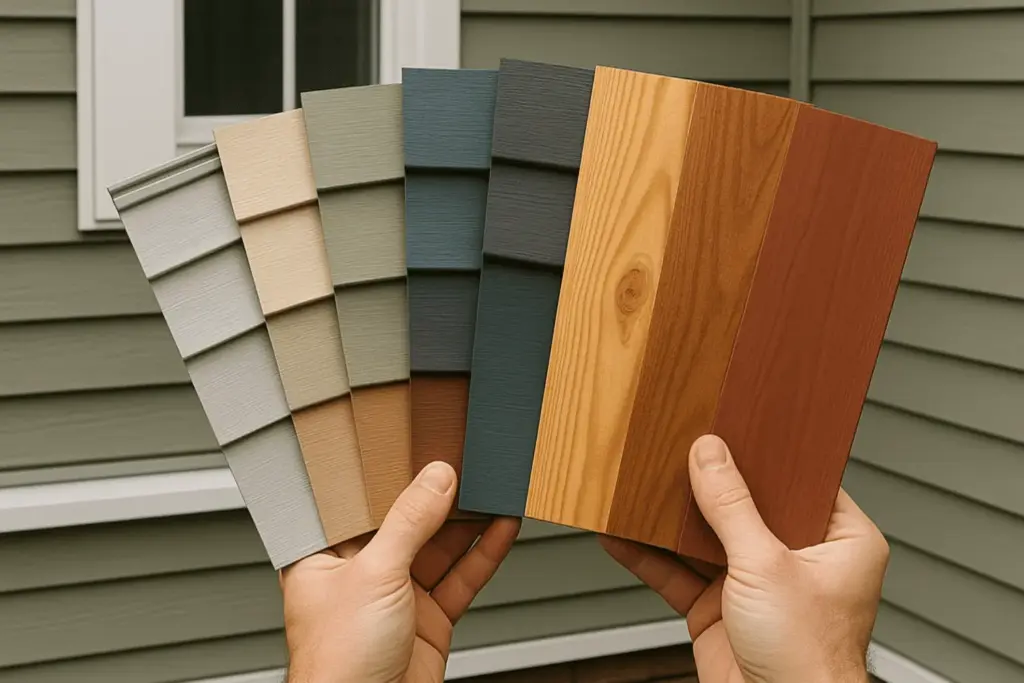
Today’s product lines include over 400 pre‑finished colors, textures that imitate cedar, and specialty profiles such as vertical panels and board‑and‑batten styles. The material’s ability to mimic high‑end finishes while staying budget‑friendly is a major driver behind its market dominance.
How to Choose the Right Vinyl Siding for Your Home
Choosing the optimal vinyl siding involves balancing aesthetics, performance, and cost. Below are the primary factors to evaluate:
- Profile & Thickness: Thicker panels (0.046‑0.054 in.) are less prone to warping and provide better impact resistance. Look for “premium” or “architectural” profiles if you need a more substantial appearance.
- Insulation Level: Decide whether you need standard siding or insulated siding with an attached foam layer (typically ½‑inch thick, R‑value 2–4). Insulated options are especially advantageous in colder regions.
- Color & Finish: Choose a hue that complements your roof and landscaping. Many manufacturers now offer a “fade‑resistant” guarantee that lasts up to 20 years.
- Warranty Coverage: Leading brands such as CertainTeed and Ply Gem provide 30‑year limited warranties that cover fading, cracking, and delamination.
Installation: Practical Steps for a Flawless Finish
Although vinyl siding is marketed as a DIY‑friendly product, proper installation is critical to prevent water infiltration and ensure a professional look. Follow these actionable steps:
Step 1 – Prepare the Substrate
Inspect the sheathing for rot, mold, or structural damage. Install a water‑resistive barrier (WRB) such as house wrap, ensuring a continuous seal around windows and doors.
Step 2 – Measure and Cut Precisely
Use a calibrated tape measure and a fine‑toothed saw or vinyl cutter. When cutting around openings, remember to leave a ¼‑inch expansion gap to accommodate thermal movement.
Step 3 – Apply Starter Strips
Attach starter strips at the bottom edge of the wall, level and anchored with corrosion‑resistant nails. This creates a straight baseline for all subsequent rows.
Step 4 – Lock Panels Together
Interlock each panel’s tongue and groove, staggering joints at least 12 in. from the corners. Use a nail gun with a depth‑adjustable setting to avoid over‑driving fasteners.
Step 5 – Seal Joints and Trim
Apply a high‑quality exterior caulk around corners, windows, and trim pieces. Install pre‑finished corner posts, J‑channels, and vent panels to complete the envelope.
Common Mistakes and How to Avoid Them
- Skipping the WRB: Omitting house wrap invites moisture behind the siding, leading to rot and mold.
- Improper Nail Depth: Nails driven too deep compress the panel, causing buckling; too shallow and the panel can detach in wind.
- Neglecting Expansion Gaps: Vinyl expands up to 1 % in hot weather. Without adequate gaps, panels may warp or crack.
- Choosing the Wrong Profile for Climate: Thin, flat siding is prone to bowing in windy, high‑heat zones; opt for heavier, insulated panels in such regions.
Maintenance Routine to Extend Lifespan
Even the most durable siding benefits from periodic care. Follow this simple schedule:
- Quarterly Rinse: Use a garden hose or low‑pressure washer to wash away dust and pollen.
- Annual Inspection: Look for cracks, loose fasteners, and caulk deterioration. Replace damaged sections promptly.
- Bi‑annual Spot Cleaning: Apply a mild detergent solution to stubborn stains; avoid abrasive brushes that can scratch the surface.
By staying proactive, you can preserve the original look for 20‑30 years, aligning with most manufacturers’ warranty periods.
Cost Comparison: Vinyl vs. Competing Materials
According to the 2025 Remodeling Magazine Cost vs. Value Report, the average installed cost for vinyl siding is $5.30 – $7.50 per square foot, while fiber‑cement stands at $9.00 – $12.00 per square foot. Insulated vinyl adds roughly $1.00 – $1.80 per square foot but can offset heating costs, delivering a net savings of 8‑12 % over a 10‑year horizon.
Real‑World Case Study
A 2,200‑sq‑ft home in Minneapolis replaced aging wood clapboard with insulated vinyl siding in the spring of 2025. The project, documented by the local building department, saved the homeowner $3,800 in material costs versus a fiber‑cement alternative. Post‑installation energy monitoring showed a 9 % reduction in heating demand during the 2025‑2026 winter season. The homeowner also reported a significant drop in exterior maintenance time, needing only an annual rinse instead of bi‑annual painting.
Frequently Asked Questions
Is vinyl siding fire‑resistant?
Most vinyl products meet ASTM E84 Class B fire rating, making them suitable for most residential codes. However, they are not fire‑proof and should be combined with fire‑rated sheathing in high‑risk zones.
Can vinyl siding be painted?
Yes, but only with specialized exterior vinyl paint. Painting is generally discouraged because it voids warranties and eliminates the material’s factory‑finished color guarantee.
How does vinyl siding affect home resale value?
National Association of Realtors data from 2026 indicates that homes with well‑installed vinyl siding sell on average 4 % faster and command a 2‑3 % price premium over comparable homes with outdated wood siding.
What is the environmental impact of vinyl siding?
Vinyl is recyclable; many manufacturers operate take‑back programs that repurpose old panels into new products. A 2025 lifecycle assessment by the Green Building Council found that the embodied carbon of vinyl siding is roughly 30 % lower than that of fiber‑cement, primarily due to lower material weight and transport emissions.
Do I need to replace flashing when installing new siding?
Yes. Proper flashing integration with the WRB is essential to prevent water ingress. When upgrading from wood to vinyl, it is an ideal time to inspect and, if necessary, replace flashing components.
Integrating Vinyl Siding with Other Exterior Elements
For a cohesive curb appeal, pair vinyl siding with energy‑efficient exterior doors. Our Top 10 expert tips for choosing durable, energy‑efficient exterior doors outline how insulated door panels complement the thermal envelope created by vinyl siding, delivering a seamless, high‑performance facade.
Conclusion: Is Vinyl Siding Right for You?
Vinyl siding remains the most versatile, cost‑effective exterior cladding on the market in 2026. Its blend of weather‑resistance, energy efficiency, and low‑maintenance design makes it a compelling choice for homeowners seeking long‑term value. By selecting the appropriate profile, ensuring proper installation, and committing to a simple maintenance routine, you can enjoy a beautiful, resilient home exterior for decades.
Ready to upgrade? Consult a certified installer, compare product warranties, and consider pairing your new siding with insulated doors for a truly energy‑smart envelope.